

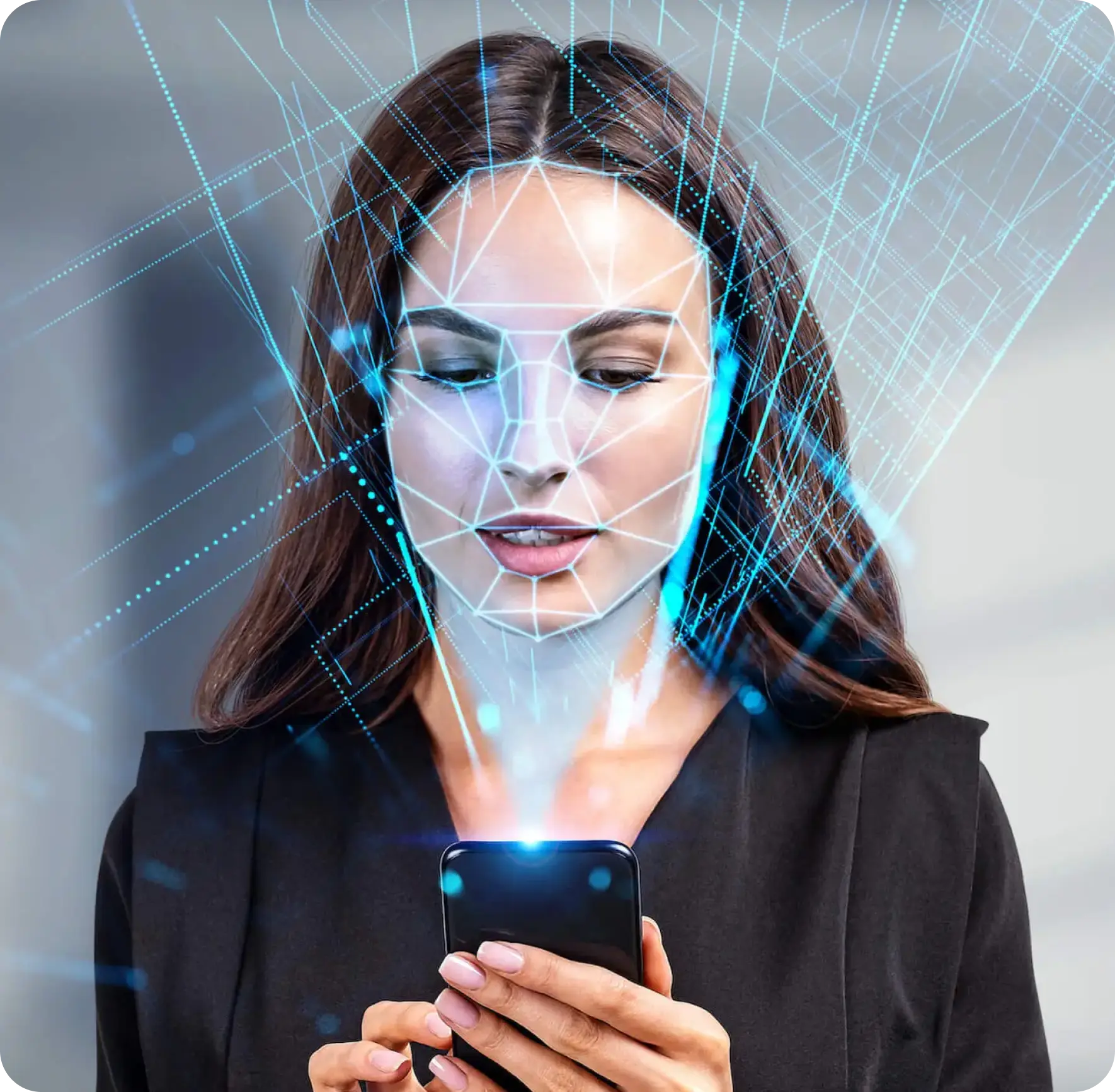
A biometric attendance machine can record an employee’s attendance in seconds. But how accurate is that record?
For businesses managing dozens or hundreds of employees, attendance accuracy directly affects payroll calculations, overtime tracking, workforce management, and HR reporting. Even small recording errors can create confusion when they happen repeatedly.
The important thing to understand is this: biometric attendance accuracy depends on more than the technology itself. The biometric method, device quality, installation, employee conditions, and attendance software all influence the final result.
What Is the Accuracy of a Biometric Attendance Machine?
A biometric attendance machine identifies or verifies an employee using unique physical characteristics, such as fingerprints, facial features, or iris patterns.
Modern devices can provide reliable attendance records when properly configured and maintained. However, there is no single accuracy percentage that applies to every biometric attendance machine. Manufacturers may measure performance using different metrics, and laboratory results may differ from real workplace conditions.
Two important measurements are:
- False Acceptance Rate (FAR): The rate at which a system incorrectly accepts an unauthorised person as a match.
- False Rejection Rate (FRR): The rate at which a system incorrectly rejects an authorised employee.
A reliable system must balance both. Frequent false rejections can create queues and manual corrections, while weak verification can compromise attendance integrity.
It is also important to distinguish biometric matching accuracy from attendance-record accuracy. A device may identify an employee correctly, but poor network connectivity, incorrect shift settings, or software synchronisation issues can still affect the final record.
Which Factors Affect Biometric Attendance Accuracy?
Different biometric technologies have different strengths and limitations.
- Fingerprint Recognition
Fingerprint machines compare an employee’s fingerprint pattern with an enrolled template. They are widely used in offices, factories, and educational institutions.
Accuracy can be affected by dirty or wet fingers, worn fingerprints, minor skin injuries, dust accumulation, and poor-quality enrollment.
- Facial Recognition
AI Facial recognition verifies identity by analysing facial features. It offers contactless attendance marking and is useful in busy workplaces.
Performance may be affected by poor lighting, camera positioning, facial obstructions, or changes in appearance. Well-designed devices use image processing and suitable recognition settings to reduce these issues.
- Multi-Modal Authentication
Some systems support face recognition, fingerprint authentication, or RFID cards. Multiple authentication methods provide flexibility when one method is temporarily unavailable.
However, additional methods do not automatically guarantee greater accuracy. Each method needs appropriate configuration, testing, and security controls.
Comparison Table: Fingerprint vs Facial Recognition
| Feature | Fingerprint Attendance | Facial Recognition Attendance |
| Authentication method | Fingerprint pattern | Facial features |
| Physical contact | Usually required | Not required |
| Common challenges | Wet fingers, worn fingerprints, dirty sensors | Poor lighting, facial obstruction, camera positioning |
| Employee convenience | Requires touching a sensor | Contactless verification |
| Hygiene considerations | Shared sensor requires regular cleaning | Contactless process |
| Best suited for | Offices, factories, and controlled entry points | Offices, schools, and busy workplaces |
| Maintenance | Sensor cleaning and device checks | Camera cleaning, lighting checks, and device updates |
| Accuracy considerations | Enrollment quality and finger condition | Image quality, matching settings, and environmental conditions |
Actual performance depends on the device model, workplace conditions, and configuration.
How Can Businesses Improve Biometric Attendance Accuracy?
Organisations can improve day-to-day performance by following these five practices:
- Enrol employees correctly. Capture clear fingerprint samples or facial images during registration. Verify employee identities before creating attendance profiles.
- Choose the right installation location. Position devices where lighting, camera angles, foot traffic, and environmental conditions support reliable recognition.
- Maintain devices regularly. Clean sensors and cameras, check device performance, and install recommended firmware updates.
- Review attendance exceptions. Investigate repeated failed scans, duplicate records, missing punches, and unusual attendance patterns.
- Verify data synchronisation. Confirm that attendance records reach the central dashboard and that shift rules, overtime calculations, and payroll integrations are configured correctly.
These steps are particularly important for factories with multiple shifts, schools managing staff and students, and businesses operating across several locations.
Can Biometric Attendance Machines Prevent Proxy Attendance?
Biometric attendance systems can make proxy attendance, commonly called buddy punching, more difficult because employees must authenticate using their enrolled biometric characteristics.
However, biometric verification does not completely eliminate fraud. Device security, identity enrollment, access permissions, and anti-spoofing measures also matter.
Facial recognition systems with liveness detection can help distinguish a live person from attempts involving photographs or videos. Businesses should evaluate the specific device’s capabilities rather than assuming every facial recognition machine offers the same protection.
How Does Nialabs Help Businesses Manage Attendance?
Nialabs offers biometric attendance solutions designed to support employee attendance management through available technologies such as facial recognition and fingerprint authentication.
Depending on the selected device and configuration, relevant capabilities may include:
- Biometric verification: Supports employee attendance using facial recognition or fingerprint technology.
- Attendance management: Helps businesses maintain and review employee attendance records.
- Connectivity options: Supported devices can transfer attendance information to connected management systems.
- Anti-spoofing features: Available features can help reduce attempts to impersonate employees.
- Integration options: Compatible systems can support attendance data workflows for HRMS and payroll processes.
These capabilities can help offices, factories, schools, and multi-location businesses improve attendance monitoring. The right configuration depends on workforce size, operating conditions, connectivity, and integration requirements.
Frequently Asked Questions (FAQs)
- How accurate are biometric attendance machines?
Accuracy varies by device, biometric technology, enrollment quality, and workplace conditions. Businesses should review the manufacturer’s test results and evaluate performance in their actual working environment.
- Which is more accurate: fingerprint or facial recognition?
Neither technology is universally more accurate. Fingerprint systems can struggle with worn or dirty fingers, while facial recognition can be affected by lighting and camera positioning. The right choice depends on the workplace and device quality.
- Can biometric attendance machines work without the internet?
Some devices can store attendance records locally while offline and synchronise them when connectivity returns. This capability depends on the model and its configuration.
- Do biometric attendance machines prevent buddy punching?
They make buddy punching more difficult by verifying employees through biometric characteristics. However, effective prevention also depends on secure enrollment, device protection, and appropriate verification features.
Final Thoughts
A biometric attendance machine can provide reliable attendance records, but accuracy is not determined by the scanner alone. Recognition technology, enrollment quality, environmental conditions, device maintenance, and software integration all contribute to the outcome.
Before investing, ask vendors about accuracy-testing methods, false acceptance and rejection rates, offline functionality, anti-spoofing capabilities, and integration support. Test the device under actual workplace conditions wherever possible.