
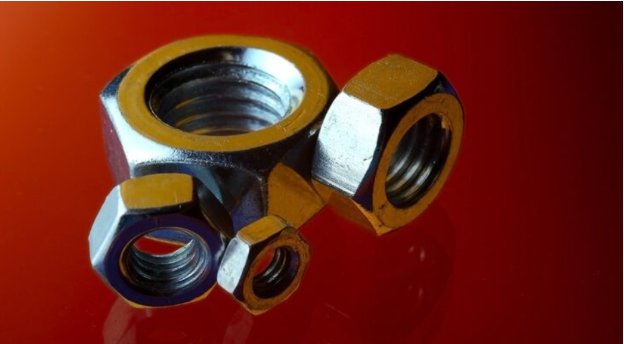
In industries and mechanical setups where machines run continuously, vibrations are a common problem. These vibrations can loosen bolts and nuts over time, leading to equipment damage, reduced efficiency, or even safety hazards. One solution to this issue is using flex lock nuts, which are specially designed to keep connections secure even under constant movement. Understanding how these nuts work can help you protect your equipment and avoid unnecessary maintenance costs.
What Are Flex Lock Nuts
Flex lock nuts are a type of fastener designed with a flexible section that resists loosening caused by vibrations. Unlike regular nuts, which can gradually come loose when machines shake, flex lock nuts maintain their grip on bolts. The flexibility in the nut allows it to slightly deform when under stress, keeping a constant pressure on the bolt threads. This unique design ensures that even in high-vibration environments, the nuts stay tight and your equipment stays safe.
How Flex Lock Nuts Handle Vibrations
Vibrations are one of the main reasons for mechanical failures. When machines operate at high speeds or deal with heavy loads, the shaking can slowly rotate standard nuts until they are loose. Flex lock nuts counter this problem by creating friction between the nut and the bolt threads. The flexible area of the nut presses against the bolt, absorbing movement and preventing rotation. This means your machinery can continue operating smoothly without frequent checks or adjustments.
Benefits for Machinery Safety
Using flex lock nuts provides several safety benefits for your equipment. First, they prevent sudden mechanical failures that can happen when a nut loosens. Loose nuts can lead to parts falling off, misalignment, or even machine breakdowns. Second, they reduce the risk of accidents for operators and workers. Equipment that remains securely fastened is less likely to cause injuries. Third, flex lock nuts save time and money on maintenance. Fewer inspections and adjustments are needed because the fasteners are designed to stay in place under stress.
Applications of Flex Lock Nuts
Flex lock nuts are used in many industries and types of machinery. They are common in automotive applications, where engines and transmissions produce constant vibrations. They are also used in manufacturing plants, construction equipment, and agricultural machinery. Anywhere that bolts are subject to continuous movement or vibrations, flex lock nuts can provide extra security. Their ability to maintain tight connections makes them a reliable choice for critical equipment that cannot afford failure.
Installation and Maintenance Tips
Installing flex lock nuts is similar to installing regular nuts, but it is important to ensure proper torque. Applying the correct torque helps the nut engage fully with the bolt threads and maximizes the locking effect. It is also a good practice to check them occasionally in high-stress applications, even though they require less maintenance than standard nuts. Keeping bolts and nuts clean and free from debris can also prolong the life of the fastener and maintain its effectiveness in vibration-heavy environments.
Conclusion
Vibrations are a serious concern in any machinery, but flex lock nuts provide a reliable solution to this problem. By resisting loosening under movement, these nuts protect equipment, improve safety, and reduce maintenance costs. Whether used in automotive, industrial, or construction settings, flex lock nuts ensure that machines stay secure and operate efficiently. Investing in these fasteners is a small step that can prevent costly downtime and enhance the overall reliability of your equipment.