
Introduction
Industrial automation has changed the way valves, dampers, and mechanical equipment are controlled. Instead of relying entirely on manual operation, modern facilities use electrically powered systems to achieve accurate, repeatable, and remotely controlled movement. Electric actuators are an important part of this development because they connect electrical control systems with mechanical equipment. A Smart Electric Actuator can provide automated movement together with useful feedback and monitoring functions. An Intelligent Electric Actuator can add advanced control, communication, and diagnostic capabilities for more demanding applications. Meanwhile, an Electric Actuator for Damper Valve systems can automate the regulation of airflow, gases, or other media in industrial and commercial installations. Understanding these technologies helps engineers and facility operators select suitable solutions for reliable and efficient automation.
Understanding Electric Actuator Technology
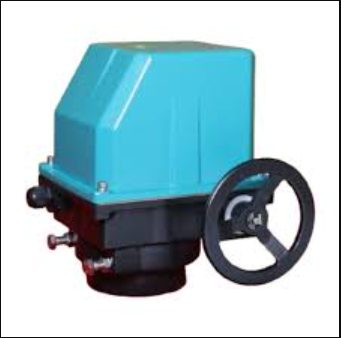
An electric actuator converts electrical energy into mechanical movement. Depending on its configuration, it can provide rotary or linear motion to operate valves, dampers, gates, and other components. The actuator receives a control command and uses its motor and mechanical drive system to move the connected equipment to the required position.
Traditional electric actuators are often designed for straightforward open-and-close operations. Modern systems, however, may require proportional positioning, feedback, remote monitoring, and communication with centralized control equipment. This has increased the importance of smart actuator technology in industrial automation. The actuator must not only have enough mechanical capacity to move the connected component but also provide the control features required by the larger system.
Smart Electric Actuator Features
A Smart Electric Actuator combines motorized movement with electronic control and monitoring capabilities. Depending on the model, it may provide position feedback, status information, fault indication, adjustable operating parameters, and communication with external automation equipment. These features allow operators to gain better visibility into the condition and position of connected equipment.
Smart technology can be particularly useful in facilities containing many automated valves and dampers. Rather than physically checking every actuator, operators can receive information through a centralized control system. This can make routine monitoring easier and help maintenance teams identify potential issues more efficiently. Smart operation may also improve positioning accuracy, which can be important when airflow, pressure, temperature, or fluid movement needs to be regulated precisely.
Role of an Intelligent Electric Actuator
An Intelligent Electric Actuator extends the concept of basic motorized control by incorporating more advanced electronic functions. It can potentially communicate with automation networks and provide detailed operating information to control systems. Depending on the design, intelligent functionality may include position monitoring, fault diagnostics, configurable parameters, event information, and communication capabilities.
These features can help industrial facilities improve operational visibility. If an actuator encounters an abnormal condition, available diagnostic information may help technicians determine where to begin troubleshooting. Intelligent control can also support more accurate positioning and automated responses to changing process requirements. This is particularly valuable in facilities where equipment must operate continuously and unexpected downtime can affect productivity.
Electric Actuator for Damper Valve Applications
An Electric Actuator for Damper Valve systems provides automated mechanical movement for dampers used to regulate airflow, gases, or other media. Damper valves are widely used in HVAC systems, ventilation equipment, air-handling units, industrial exhaust systems, and process-control installations.
Manual dampers can be difficult to adjust when they are located in ceilings, ducts, industrial equipment, or other inaccessible areas. Motorized actuation allows these components to be controlled remotely. Depending on the application, the actuator may move the damper fully open, fully closed, or to an intermediate position.
Selecting the correct actuator requires consideration of damper size, required torque, movement angle, operating speed, control signal, and environmental conditions. Proper sizing is essential because insufficient torque can prevent the damper from reaching the desired position.
How Smart Technology Supports Automation
A Smart Electric Actuator can become an important part of a larger automation network. Instead of receiving only a simple electrical command, the actuator may exchange information with the control system. This two-way interaction can provide information about position, operating status, and potential faults.
For example, an automated ventilation system may instruct a damper to move to a specific position. Feedback from the actuator can confirm whether the requested position has been reached. If the actual position differs from the desired position, the control system can identify the discrepancy and alert operators when appropriate.
This type of feedback can increase confidence in automated processes. It can also reduce the need for manual verification, particularly in large installations containing many remotely located actuators.
Benefits of Intelligent Control
An Intelligent Electric Actuator can provide several benefits in industrial and commercial applications. One major advantage is improved monitoring. Operators can potentially obtain actuator information from a central interface instead of relying entirely on physical inspections.
Another benefit is precise control. Intelligent actuators can be configured to respond to specific control signals and positioning requirements. This is useful in systems where a valve or damper needs to maintain a precise intermediate position rather than simply switching between fully open and fully closed.
Diagnostic functions can also support maintenance. If unusual operating conditions are detected, available information may help technicians investigate the issue sooner. Early attention can reduce the possibility of minor problems developing into larger equipment failures.
Importance of Torque and Speed
Actuator selection should begin with the mechanical requirements of the equipment being controlled. Torque is especially important for rotary actuators because the motor and gearing must provide enough rotational force to overcome resistance. Damper friction, valve pressure, linkage design, and mechanical loading can all influence the required torque.
Speed is another important factor. A damper that must respond gradually may require different actuator characteristics from one that needs rapid positioning. Excessive speed can create undesirable process changes, while insufficient speed may prevent the system from responding effectively.
The combination of torque and speed should therefore be considered rather than focusing on a single specification. Proper sizing can help prevent motor overload, incomplete movement, excessive wear, and inefficient operation.
Energy Efficiency and System Performance
Automated damper and valve control can contribute to better system management. In HVAC applications, damper position directly influences airflow, ventilation, heating, and cooling performance. Accurate positioning can help systems provide the required airflow without unnecessarily operating equipment at higher capacity.
A Smart Electric Actuator can support this process by responding to commands from sensors or control systems. For example, changes in temperature or pressure may cause a control system to adjust damper position. The actuator then moves the damper to the required setting.
Energy savings depend on the complete system design, equipment efficiency, operating schedule, and control strategy. The actuator itself is one component of the overall system, but reliable positioning can help the control system operate more effectively.
Applications in HVAC Systems
HVAC systems frequently use motorized actuators to control dampers. Air-handling units, ventilation ducts, exhaust systems, heating equipment, and cooling systems may all require automated airflow regulation. An Electric Actuator for Damper Valve applications can eliminate the need for manual adjustment and allow dampers to respond automatically to changing conditions.
In commercial buildings, automated dampers can be integrated with building management systems and sensors. Industrial facilities may use similar equipment to control process ventilation, exhaust airflow, and environmental conditions. The actuator must be selected according to the damper’s mechanical resistance and the desired control method.
Industrial Process Applications
Electric actuators are also widely used in industrial processes. Water treatment, manufacturing, power generation, chemical processing, and other industries use automated valves and dampers to regulate different processes.
In these environments, an Intelligent Electric Actuator can provide additional value when centralized monitoring is required. Operators can potentially monitor actuator status and receive diagnostic information through the plant’s control system. This can simplify management when numerous actuators are distributed across a large facility.
Industrial environments may also expose actuators to vibration, dust, temperature changes, moisture, or corrosive substances. Therefore, environmental protection and enclosure specifications should be considered alongside electrical and mechanical requirements.
Installation Considerations
Correct installation is essential for dependable actuator operation. Mechanical alignment should be checked carefully so that excessive stress is not placed on the actuator, shaft, coupling, or damper linkage. The actuator should be securely mounted and positioned according to the equipment manufacturer’s requirements.
Electrical connections must also be correctly configured. Power supply, control signals, feedback wiring, and communication connections should match the actuator specifications. Incorrect wiring can prevent the actuator from operating properly or cause unwanted movement.
For an Electric Actuator for Damper Valve installation, the linkage should be checked to ensure that the damper can move freely through its complete operating range. Excessive mechanical resistance can increase actuator loading and reduce service life.
Maintenance and Troubleshooting
Regular maintenance can help maintain actuator reliability. Inspection schedules should take into account the operating environment, number of cycles, load, and importance of the connected equipment. Technicians can inspect mounting hardware, electrical connections, cables, seals, and mechanical components for signs of deterioration.
Smart and intelligent models may provide diagnostic information that can assist with troubleshooting. However, electronic monitoring should complement rather than completely replace physical inspection. Unusual sounds, vibration, overheating, slow movement, or failure to reach the required position should be investigated promptly.
Keeping maintenance records can also help identify recurring problems. Information about inspections, repairs, operating cycles, and component replacements can provide useful insight into actuator performance over time.
Selecting the Right Actuator
Choosing the appropriate actuator requires a systematic evaluation of the application. Mechanical requirements should be assessed first, including torque, speed, movement range, and duty cycle. Electrical requirements should then be reviewed, including voltage, control signals, and communication capabilities.
Environmental conditions are equally important. An actuator installed outdoors or in a humid industrial environment may require suitable protection against moisture and contaminants. Facilities with centralized automation may benefit from smart or intelligent functionality, while simpler installations may not require advanced communication features.
A Smart Electric Actuator is useful when improved monitoring and positioning are priorities. An Intelligent Electric Actuator may be better suited to applications requiring advanced diagnostics and system communication. For HVAC and process applications involving automated dampers, an Electric Actuator for Damper Valve systems can provide practical and repeatable control.
Future of Smart Actuator Systems
Industrial automation continues to move toward connected equipment and data-driven maintenance. Actuators are increasingly becoming integrated components within larger automation networks rather than isolated mechanical devices. This development creates opportunities for improved monitoring, remote operation, diagnostics, and preventive maintenance.
Future actuator systems are likely to place greater emphasis on communication, accurate positioning, condition monitoring, and integration with digital control platforms. Even as technology develops, fundamental principles such as correct sizing, appropriate installation, environmental protection, and routine maintenance will remain essential.
Conclusion
Smart and intelligent electric actuators are helping modern facilities achieve more accurate and connected mechanical control. A Smart Electric Actuator can combine automated movement with useful feedback and monitoring, while an Intelligent Electric Actuator can provide more advanced communication and diagnostic capabilities. An Electric Actuator for Damper Valve systems provides automated control for HVAC, ventilation, industrial, and process applications.
The right actuator should be selected according to the specific requirements of the equipment and operating environment. Torque, speed, duty cycle, control signals, communication requirements, environmental conditions, and installation factors should all be evaluated before selection. With appropriate sizing, installation, and maintenance, electric actuators can support reliable automation, better operational visibility, and consistent control across a wide range of applications.