
Introduction
Modern industrial facilities depend on accurate flow management to keep production processes safe, efficient, and consistent. Valves play an essential role in controlling liquids, gases, steam, chemicals, and other process media, but manually operated valves can become difficult to manage when operations grow larger or more complex. Valve Automation Solutions provide a practical approach by combining valves with actuators, control devices, sensors, and automation systems. These technologies allow valves to be opened, closed, or positioned remotely according to process requirements. Automated operation can reduce manual intervention while helping operators achieve more consistent control. From manufacturing and water treatment to energy and chemical processing, automated valve systems can support better process management. When properly selected and installed, automation can also contribute to improved workplace safety, reduced downtime, and more efficient use of resources.
What Are Valve Automation Solutions?
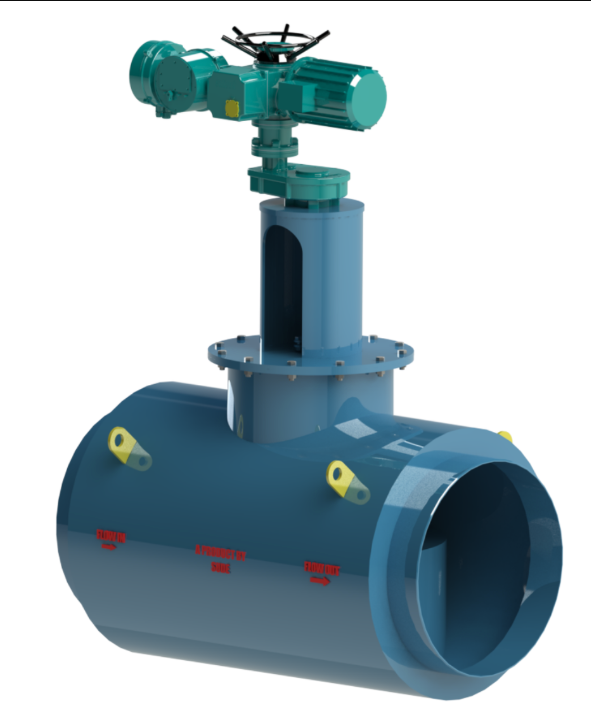
Valve Automation Solutions are integrated systems designed to automate the operation of industrial valves. Instead of relying entirely on an operator to turn a valve manually, an automated system uses an actuator and control mechanism to produce the required movement. Depending on the valve design, the actuator may provide rotary or linear motion. Electric, pneumatic, and hydraulic actuation technologies are commonly used, with each offering different performance characteristics.
A complete automated valve arrangement may include the valve itself, actuator, solenoid valve, positioner, limit switches, control panels, sensors, and communication equipment. These components work together to respond to commands from a local or centralized control system. Automation can be configured for simple open-and-close functions or more advanced applications where precise positioning is necessary. The appropriate configuration depends on the process, valve type, operating environment, control requirements, and available utilities.
How Valve Automation Works
The basic operating process begins when a control system sends a command to the valve actuator. The actuator converts an electrical, pneumatic, or hydraulic input into mechanical movement. This movement changes the position of the valve, allowing the flow to start, stop, increase, or decrease according to the process requirement. Feedback devices can provide information about the valve’s actual position, helping operators confirm whether the requested action has occurred.
In more advanced installations, automated valves can communicate with programmable logic controllers and supervisory control systems. This allows valve operation to become part of a larger automated process. Timed sequences, pressure conditions, temperature measurements, and flow readings can be used to determine when a valve should operate. Such integration reduces dependence on manual decisions and can make repetitive processes more consistent. Proper configuration is important because actuator sizing, response speed, control signals, and valve characteristics must all match the intended application.
Major Types of Valve Automation
There are several technologies used to automate valves. Pneumatic automation uses compressed air to generate actuator movement and is widely used when fast operation and straightforward mechanical construction are desirable. Electric actuators use motors and control electronics, making them useful where electrical power and precise positioning are available. Hydraulic actuators use pressurized fluid and are often considered for applications requiring substantial force or torque.
The type of valve also influences the automation arrangement. Ball and butterfly valves commonly use quarter-turn actuators, while globe and some gate valve applications may require linear movement. Control valves can incorporate positioners to regulate movement more accurately. Selecting the appropriate combination involves evaluating operating pressure, temperature, valve size, process medium, cycling frequency, required torque or thrust, and safety requirements. A carefully matched system can deliver better reliability than simply selecting an actuator based on valve dimensions alone.
Benefits of Valve Automation Solutions
One of the main advantages of Valve Automation Solutions is improved operational efficiency. Automated valves can perform repetitive movements quickly and consistently, reducing the amount of time employees need to spend manually operating equipment. Remote control can also be valuable when valves are installed in areas that are difficult, hot, contaminated, or otherwise unsuitable for frequent human access.
Automation can improve process consistency because valves can be controlled according to predefined instructions rather than depending entirely on manual operation. It can also support better safety by allowing operators to control equipment from a safer location. Automated systems may include fail-safe functions that move valves to predetermined positions when power, air pressure, or another control input is lost. In addition, feedback systems can help identify unexpected valve positions or operating problems. These benefits make automation an important consideration for facilities seeking reliable and repeatable process control.
Applications Across Industries
Valve Automation Solutions are used in a broad range of industries. Water and wastewater treatment plants rely on automated valves to manage filtration, pumping, chemical dosing, and distribution processes. In oil and gas facilities, automated valves can support isolation, transportation, pressure management, and process control. Chemical plants use automated systems to regulate process fluids and help maintain controlled operating conditions.
Manufacturing facilities can use automated valves in production lines, cooling systems, compressed-air networks, and material-handling processes. Food and beverage facilities may require automated flow control for cleaning systems, processing equipment, and liquid transfer operations. Power generation facilities can also use automated valves in steam, cooling, fuel, and water systems. Although applications differ significantly, the common objective is controlled and reliable movement of process media.
Selecting the Right Automation System
Choosing suitable Valve Automation Solutions requires an understanding of both the valve and the process. Engineers should first identify the valve type, required movement, operating torque or thrust, pressure rating, temperature range, and process medium. The available power source should then be evaluated to determine whether pneumatic, electric, or hydraulic actuation is most appropriate.
Environmental conditions also deserve attention. Outdoor installations may require protection against moisture, dust, and temperature changes, while chemical environments may require carefully selected materials and protective coatings. The required failure position should also be considered. Some applications need the valve to remain open after a control failure, while others require it to close. Control compatibility, maintenance requirements, response time, and total operating cost are additional factors that can influence the final selection.
Maintenance and System Reliability
Regular maintenance is essential for keeping automated valve systems dependable. Inspections should include actuators, valve connections, control components, wiring or tubing, and feedback devices. Pneumatic systems should be supplied with properly treated air because moisture and contaminants can affect internal components. Electric systems should be inspected for electrical connections, enclosure condition, and actuator performance.
Operators should watch for unusual noises, slow movement, incomplete valve travel, excessive vibration, leakage, or inconsistent feedback. Early identification of these conditions can help prevent larger failures and production interruptions. Maintenance schedules should be based on manufacturer recommendations, operating frequency, process conditions, and the importance of the valve to the overall facility. Preventive maintenance can often be more cost-effective than waiting for a critical automated valve to fail.
Automation and Smart Industrial Control
The development of connected industrial technologies is expanding the capabilities of Valve Automation Solutions. Modern automated valve systems can be integrated with sensors, digital controllers, industrial networks, and monitoring platforms. This allows operators to receive information about valve position, operating conditions, and equipment performance.
Data from automated systems can also support maintenance planning. If a valve begins taking longer to reach its required position or shows unusual operating behavior, the information may indicate that inspection is needed. Integration with broader industrial control systems can create coordinated operating sequences and provide greater visibility into plant performance. While sophisticated automation can provide significant benefits, system complexity should be balanced with practical maintenance and cybersecurity requirements.
Cost and Long-Term Value
The initial cost of automation includes more than the actuator. Valves, control equipment, installation, wiring or air lines, sensors, commissioning, and maintenance should all be considered. However, focusing only on purchase price may overlook the long-term value of automation. Reduced manual labor, improved process consistency, fewer operational errors, and better equipment monitoring can contribute to lower operating costs.
A properly designed system can also reduce unnecessary valve cycling and help operators identify problems before they cause significant downtime. Facilities should therefore evaluate automation based on total lifecycle value rather than initial equipment cost alone. Selecting durable components and ensuring correct installation can further improve the return on investment.
Conclusion
Valve Automation Solutions have become an important part of modern industrial flow control. By combining valves with appropriate actuators, controls, sensors, and monitoring technologies, facilities can achieve more consistent and efficient operation. Automated systems can reduce manual work, improve safety, support remote operation, and provide useful feedback about equipment performance. Successful implementation depends on choosing the right technology for the valve, process conditions, operating environment, and control requirements. With proper sizing, installation, commissioning, and maintenance, valve automation can provide reliable long-term performance. As industrial facilities continue to adopt smarter control technologies, automated valve systems will remain a valuable tool for improving productivity, process reliability, and operational control.